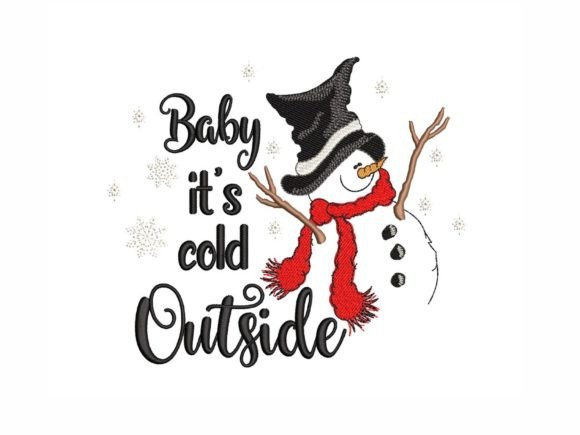
Baby It’s Cold Outside: Cozy Embroidery Ideas
The phrase Baby It’s Cold Outside is instantly recognizable, evoking a specific atmosphere of warmth, intimacy, and winter comfort. While the song itself has sparked significant cultural conversation in recent years regarding its lyrics and context, the aesthetic it represents—cozy, nostalgic, and inviting—remains a powerful tool for creative projects. When translated into machine embroidery, this theme offers a unique opportunity to create tangible items that bring that sense of seasonal snugness into everyday life.
Creating designs around this motif allows crafters and small business owners to tap into the universal desire for comfort during the colder months. Whether you are looking to add a personal touch to your own home decor or seeking a profitable product line for an online shop, understanding how to execute this design effectively is key. The versatility of modern embroidery machines means that this concept can be adapted across various fabrics and item types, making it a flexible asset for any creative workflow.
Understanding the Design Potential
At its core, a Baby It’s Cold Outside embroidery design is not just about text; it is about capturing a mood. Successful designs often pair the phrase with visual elements that reinforce the feeling of cold weather met with indoor warmth. Think snowflakes, mittens, steaming mugs, or stylized winter landscapes. The goal is to create a cohesive image that tells a story without being overly literal.
For designers, the challenge lies in balancing readability with artistic flair. Embroidery is a textured medium, so intricate details can sometimes get lost in the stitching. It is crucial to choose file formats that support the complexity of your design while ensuring the final output remains crisp. Most professional embroidery software supports multiple formats, such as .dst, .pes, .exp, and .jef, allowing you to stitch out your creation on a wide variety of machines, from domestic hobbyist models to industrial commercial units.
Versatile Applications for Home and Gift
One of the strongest selling points of this design theme is its adaptability. You are not limited to a single type of product. By leveraging the right fabric choices and stabilizers, you can transform a simple digital file into a high-value physical good. Here are several practical applications where this design shines:
- Blankets and Throws: A large-scale application on a fleece or chenille throw blanket creates an immediate sense of luxury. Positioning the design off-center or along the border can add a sophisticated touch that elevates the item from basic to bespoke.
- Decorative Pillows: Square or lumbar pillows are excellent canvases for smaller, more detailed versions of the design. Pairing a "Baby It’s Cold Outside" pillow with complementary seasonal colors like deep reds, forest greens, or icy blues can anchor a living room’s holiday decor.
- Towels and Robes: For a spa-like winter experience, embroidering this phrase on plush bath towels or hooded robes adds a whimsical yet functional element. This is particularly effective for guest bathrooms or as part of a curated self-care gift set.
- Pajamas and Loungewear: Subtle embroidery on the cuff or pocket of pajama sets can add a personalized flair. This approach works well for boutique clothing lines targeting customers who value comfort and style in their at-home attire.
Technical Considerations for Different Fabrics
To ensure these projects stitch out perfectly, fabric selection is paramount. Delicate fabrics may require additional stabilization to prevent puckering, while heavy materials like denim or thick fleece might need heavier-duty needles and thread tension adjustments. Always test your design on a scrap piece of the intended material before committing to the final product. This step helps you identify potential issues with density or underlay stitches, saving both time and resources.
Targeting Specific Audiences
Whether you are a blogger writing about DIY home decor, a marketer promoting handmade goods, or a small business owner looking to expand your inventory, understanding your audience will guide your design choices. Different demographics respond to different styles of interpretation.
For the Traditionalist: Focus on classic imagery. Use serif fonts for the text and incorporate traditional winter symbols like holly or pinecones. This appeals to customers looking for timeless, heirloom-quality pieces that fit seamlessly into conventional holiday aesthetics.
For the Modern Minimalist: Strip away the clutter. Use clean, sans-serif typography and abstract representations of snow or cold. Monochromatic color palettes, such as white on grey or navy on cream, can make the design feel contemporary and chic. This approach resonates with younger audiences who prefer understated elegance over overt seasonal themes.
For the Nostalgic Creator: Lean into vintage aesthetics. Use distressed textures, retro color schemes, and old-fashioned script fonts. This taps into the growing trend of nostalgia-driven design, appealing to those who appreciate a sense of history and warmth in their surroundings.
Marketing and Presentation Tips
Once you have created your embroidered items, presenting them effectively is crucial for engagement. High-quality photography is essential. Show the texture of the embroidery up close to highlight the quality of the workmanship. Include lifestyle shots that place the item in a cozy setting—a pillow on a bed with a book, or a mug next to a throw blanket—to help viewers visualize themselves using the product.
When writing descriptions or blog posts, focus on the emotional benefits. Instead of simply listing features, describe the feeling of wrapping up in a freshly embroidered blanket while watching a movie. Use semantic keywords naturally, such as "handmade holiday gifts," "custom winter decor," or "personalized loungewear," to improve search visibility without sounding robotic.
Ensuring Consistency and Quality
Consistency is what separates a hobbyist project from a professional product line. If you are producing multiple items, establish a standard workflow. This includes calibrating your machines regularly, using consistent thread brands, and maintaining a library of tested designs. Keeping your files organized by format and size ensures that you can quickly switch between different machine types if needed.
Furthermore, consider offering customization options. Allowing customers to choose their preferred font style or color palette can increase the perceived value of your products. However, be clear about any limitations, such as extra charges for complex customizations, to manage expectations and maintain profitability.
Final Thoughts on Creative Execution
The beauty of the Baby It’s Cold Outside embroidery design lies in its ability to bridge the gap between nostalgia and modern craftsmanship. It is a versatile template that can be molded to fit various styles, audiences, and product categories. By focusing on technical precision, thoughtful design adaptations, and authentic storytelling, you can create items that resonate deeply with your audience.
Remember that the best creative projects are those that solve a problem or fulfill a desire. In this case, the desire is for warmth and connection in a chilly world. Let that underlying purpose guide your stitching, marketing, and customer interactions. With the right approach, a simple embroidery file can become the centerpiece of a successful, heartfelt collection.