Traditional Music Instruments Embroidery Design
There is a unique warmth that comes from blending auditory history with tactile artistry. When you look at a piece of fabric adorned with intricate patterns, you are often seeing more than just decoration; you are seeing a story woven into the threads. This creative Embroidery Design featuring traditional music instruments does exactly that. It captures the essence of cultural heritage and translates it into a visual format that adds a cozy and artistic feel to any fabric. Whether you are looking to revitalize an old wardrobe or create a statement piece for your living room, this design offers a bridge between past and present.
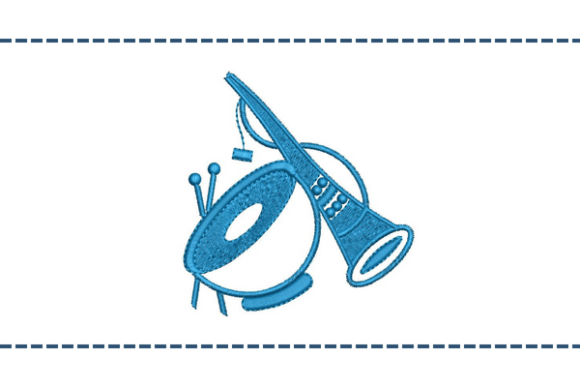
The beauty of this machine embroidery design lies in its versatility and accessibility. It comes with multiple embroidery file formats, ensuring compatibility with a wide range of embroidery machines. This means that whether you are using a basic home model or a high-end commercial unit, you can bring these musical motifs to life. The design is not just about replicating notes on a staff; it is about capturing the silhouette and spirit of instruments like violins, guitars, flutes, and drums, turning them into elegant, stylized graphics that resonate with anyone who appreciates the arts.
Why Traditional Music Instruments Matter in Modern Craft
To understand the value of this embroidery design, one must first appreciate what traditional music instruments represent. They are not merely tools for producing sound; they are artifacts of human creativity, engineering, and emotion. For centuries, communities have used specific instruments to tell stories, celebrate rituals, and mourn losses. By incorporating these symbols into textile art, we preserve a fragment of that cultural memory. The design serves as a reminder of the universal language of music, which transcends borders and generations.
For many creators, the appeal goes beyond aesthetics. There is a sentimental value in working with themes that evoke nostalgia. A pattern featuring a banjo might remind someone of Appalachian folk traditions, while a depiction of a sitar could connect them to classical Indian ragas. This emotional connection makes the finished product more than just a decorative item; it becomes a conversation starter and a personal expression of identity. The "cozy" feel mentioned in the design description is not accidental—it is derived from the organic shapes and familiar forms that our brains associate with comfort and tradition.
Practical Applications Across Different Media
One of the strongest advantages of this embroidery design is its adaptability. Because it is designed for machine use, it can be applied to various fabrics and projects with ease. Here is how different users might integrate this design into their daily lives or businesses:
- Decorative Pillows: Adding this motif to throw pillows creates an immediate focal point in a living room or bedroom. The contrast between the soft texture of the pillow and the detailed stitching of the instrument adds depth to the decor. It works particularly well in spaces with a rustic, bohemian, or eclectic theme.
- Bedsheets and Quilts: For those who enjoy quilting, this design can serve as a central medallion or a repeating border element. It adds a layer of sophistication to bedding that feels both inviting and cultured. The durability of machine embroidery ensures that the design withstands washing without losing its definition.
- Clothing: On garments, such as denim jackets, aprons, or tunics, the design acts as a subtle badge of interest. It is less overwhelming than a large print and more permanent than a patch. For musicians or music teachers, wearing such a design can be a quiet way to signal their passion.
- Home Decor Accents: Beyond textiles, the design can be embroidered onto tote bags, wall hangings, or even table runners. Its neutral yet artistic nature allows it to fit into almost any color palette, especially when paired with complementary thread colors.
Evaluating the Design for Your Specific Needs
Not every embroidery project requires the same level of technical precision or aesthetic complexity. Understanding where you stand as a user can help you decide if this traditional music instrument design is the right fit for your current goals.
For Beginners and Hobbyists
If you are new to machine embroidery, the availability of multiple file formats is a significant benefit. It allows you to test the design on your specific machine before committing to expensive fabric. Beginners should look for designs that are clean and have clear stitch paths. This particular design is likely structured to minimize thread breaks and tension issues, making it a forgiving choice for learning. The reward of creating something that looks professionally crafted boosts confidence and encourages further experimentation with different fabrics and techniques.
For Professional Creators and Small Business Owners
Entrepreneurs in the handmade space know that niche themes sell. While generic floral patterns are common, designs rooted in specific interests—like traditional music—can attract a dedicated audience. Musicians, music schools, and cultural centers are potential customers who would appreciate owning merchandise that reflects their passions. From a business perspective, the ability to use this design on multiple product types (pillows, shirts, bags) maximizes the return on investment for a single digital purchase. Professionals should also consider the quality of the digitization; a well-executed design will require less time during production, allowing for faster turnaround times.
For Educators and Cultural Enthusiasts
In educational settings, visual aids are powerful tools. Teachers of music history or cultural studies might use this design to make lessons more tangible. Imagine a classroom where students see the instruments they study represented in art. It reinforces learning through multiple senses. Furthermore, for individuals interested in preserving cultural heritage, embroidering these instruments is a form of active participation in that preservation. It transforms passive appreciation into active creation.
Technical Considerations and Flexibility
The mention of "multiple embroidery file formats" is crucial for modern crafters. Different machines operate on different software ecosystems. Common formats include .pes, .dst, .exp, and .xxx. Having access to a variety of these files means you are not locked into one brand of sewing machine. This flexibility is essential for freelancers who may work with clients using different equipment, or for hobbyists who upgrade their machines over time.
When preparing to embroider, always check the recommended fabric types. Traditional music instruments, with their curved lines and detailed elements, often look best on stable fabrics like cotton, linen, or denim. Delicate fabrics like chiffon may require stabilizers to prevent puckering. Experimenting with thread weights can also change the look of the design; a thicker thread might give a bold, retro appearance, while a finer thread can achieve a more delicate, vintage feel.
Conclusion: Adding Soul to Your Projects
Ultimately, the decision to use this traditional music instrument embroidery design comes down to the feeling you want to evoke. Do you want your home to feel lived-in and artistic? Do you want your clothing to reflect your personality? Or do you want to create a gift that carries deep meaning? This design answers all those questions by combining technical reliability with emotional resonance. It is a testament to the idea that art is not just about what we see, but what we hear, remember, and feel. By trying it on your next project, you are not just decorating fabric; you are weaving a melody into the very structure of your creations.