Embracing Rustic Charm: How Farm-Themed Embroidery Elevates Your Home Decor
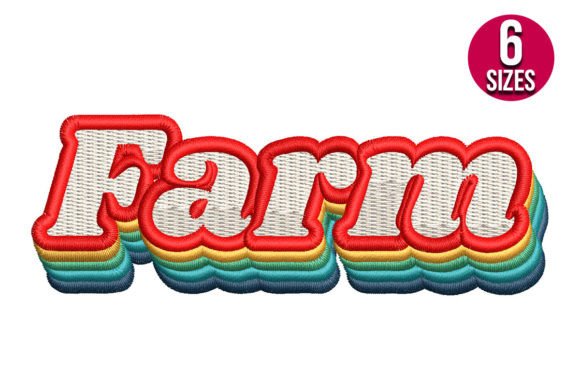
In the world of interior design and crafting, there is a persistent allure for anything that whispers of simplicity, nostalgia, and the quiet beauty of rural life. This is where Farm inspired aesthetics come into play, offering a timeless appeal that transcends trends. Whether you are a seasoned machine embroiderer or a hobbyist just starting to explore the capabilities of your sewing equipment, incorporating this creative embroidery into your projects can transform ordinary household items into cherished pieces of art. The versatility of these designs allows them to seamlessly integrate into farmhouse decor, adding a touch of warmth and personality to spaces that might otherwise feel sterile or generic.
The Allure of Farmhouse Aesthetics in Modern Living
Why do we gravitate toward farm-themed motifs? It often boils down to a desire for grounding. In our fast-paced, digital-heavy lives, the imagery of rolling fields, rustic barns, and simple country living offers a visual respite. It connects us to a sense of heritage and authenticity. When you choose an embroidery design that celebrates this Farm lifestyle, you aren't just decorating; you are curating an atmosphere. You are inviting the calm of the countryside into your dining room, kitchen, or bedroom.
This aesthetic is not limited to traditional red barns or tractors. Modern interpretations of farm themes include minimalist line drawings of wheat stalks, subtle floral wreaths reminiscent of garden patches, and elegant script fonts that mimic handwritten recipe cards. These variations allow the design to fit into contemporary farmhouse styles, which blend rustic elements with clean lines and neutral color palettes. The key is balance—using the embroidery as an accent that complements rather than overwhelms the existing decor.
Versatility Beyond the Frame
One of the most significant advantages of machine embroidery is its adaptability. While many crafters think immediately of wall hangings when they hear "embroidery," the true potential lies in functional textiles. A well-executed Farm design can elevate everyday items, turning them into conversation starters and heirlooms. Here is how different applications can enhance your home:
- Table Linens: Imagine a crisp white tablecloth adorned with a delicate border of embroidered corn husks or a central motif of a vintage tractor. For dinner parties, this adds a layer of sophistication and theme consistency. It transforms a standard meal into a special occasion, evoking the feeling of a harvest festival or a family reunion.
- Kitchen Towels and Napkins: These high-traffic items are perfect candidates for durable, cheerful designs. A set of towels featuring small, scattered icons like carrots, pumpkins, or chickens can bring a playful energy to the kitchen. Because these items are washed frequently, choosing a robust stitch pattern ensures longevity, making the Farm theme a lasting part of your daily routine.
- Decorative Pillows: Throw pillows are the chameleons of home decor. They are easy to swap out with the seasons. An autumn-themed pillow with embroidered leaves and gourds can instantly change the mood of a living room sofa. Similarly, a spring design with wildflowers can brighten up a reading nook. The tactile quality of embroidery adds depth and texture to fabric, inviting touch and interaction.
Technical Considerations for Success
To achieve professional-looking results, understanding the technical aspects of your embroidery files is crucial. Most modern Farm embroidery designs come with multiple file formats, such as .pes, .dst, .jef, and .exp. This compatibility is a game-changer because it means you are not locked into a single brand of embroidery machine. Whether you own a Brother, Janome, Bernina, or Singer, there is likely a format that will work with your specific hardware.
However, having the right file is only half the battle. Proper preparation is essential. Always test your design on a scrap piece of the same fabric you intend to use. Different fabrics react differently to thread tension and stabilizer requirements. For example, stitching a dense farm scene onto a lightweight tea towel may require a cut-away stabilizer to prevent puckering, whereas a sturdy canvas tote bag might hold up well with a tear-away option.
Another critical factor is thread choice. The wrong thread can ruin the visual impact of a design. For farm themes, cotton threads often provide a matte, rustic finish that enhances the natural look of the subject matter. Polyester threads, on the other hand, offer vibrant colors and durability, making them ideal for items that will see heavy use. Experimenting with variegated threads can also add dimension, mimicking the natural color variations found in nature.
Curating a Cohesive Collection
When incorporating multiple embroidered items into your home, cohesion is key. You don’t need every item to match perfectly, but they should share a common thread—literally and figuratively. If you have a pillow with a barn motif, consider pairing it with napkins that feature complementary colors or a similar style of illustration. This creates a curated look rather than a cluttered one.
Consider the lifecycle of your projects. Embroidered items make wonderful gifts, particularly for housewarmings, weddings, or holidays. A set of monogrammed towels with a subtle farm logo is both practical and sentimental. It shows thoughtfulness and effort, qualities that are highly valued in handmade goods. By investing time in creating these pieces, you are contributing to a culture of mindful consumption, where objects are chosen for their beauty and utility rather than disposable convenience.
Maintaining and Caring for Embroidered Textiles
Once your project is complete, proper care ensures that the Farm design remains vibrant and intact. Generally, embroidered items should be turned inside out before washing to protect the stitches from friction. Using a gentle cycle and cold water helps preserve the integrity of both the fabric and the thread. Avoid using bleach, which can discolor threads and weaken fibers. When drying, air drying is the safest option, though low heat in a dryer is usually acceptable for sturdy fabrics like cotton twill or denim.
Ironing requires caution. Never iron directly over the embroidery, as this can flatten the stitches and damage the underlying fabric. Instead, place a pressing cloth over the design or iron the item from the reverse side. This preserves the three-dimensional quality of the embroidery, keeping the texture lively and engaging.
Conclusion
Incorporating Farm themed embroidery into your home decor is more than just a crafting project; it is a way to infuse your space with character and comfort. From tablecloths to towels, the possibilities are limited only by your imagination. With the right tools, materials, and attention to detail, you can create beautiful, functional pieces that celebrate the charm of rural life. Embrace the process, experiment with different fabrics and threads, and enjoy the satisfaction of bringing a piece of the countryside into your home through the art of machine embroidery.