Flower Frame Element: A Practical Guide to Integration and Use
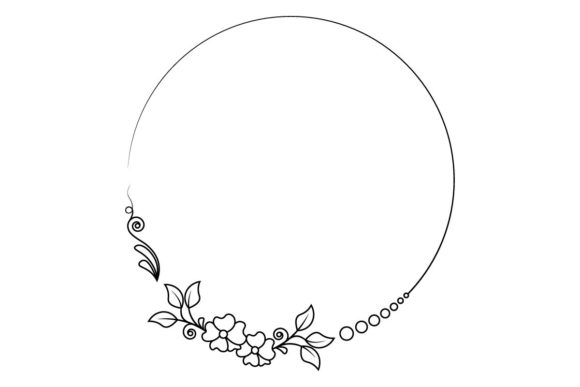
The Flower Frame Element is a versatile design asset that serves as both a decorative and functional component in various creative workflows. Often used in graphic design, marketing materials, branding projects, or educational content, it provides a visually appealing structure for elements such as text, images, logos, or icons. This article explores the practical use of floral frame outlines and how they can be seamlessly integrated into your work using fully editable templates in Adobe Illustrator (AI) and Encapsulated PostScript (EPS) formats.
What Is a Flower Frame Element?
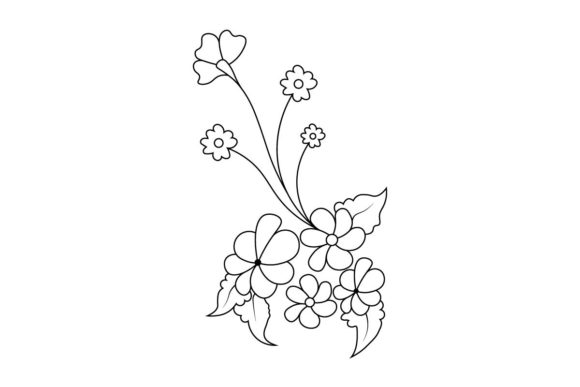
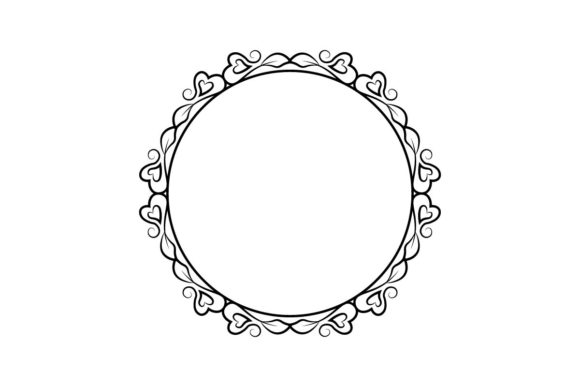
A Flower Frame Element typically refers to an illustrative outline or composition featuring flowers arranged in a structured, border-like format. These frames are commonly used in print and digital media to highlight key information or add an elegant touch to layouts. The floral frame outline often includes detailed petal shapes, stems, and leaves, which can be stylized in a variety of ways depending on the intended application.
When you receive a template labeled as "Flower Frame Element," it usually means you're getting a pre-designed layout with separate layers and components that can be modified without affecting the overall integrity of the design. This makes it ideal for professionals who need customization but also want to maintain visual consistency and quality.
Where Does It Fit Into a Broader Process?
Incorporating a floral frame into your workflow can happen at different stages, depending on your project’s needs:
- Pre-Project Phase: You might choose a flower frame element during the planning stage of a design project to establish a theme or aesthetic direction.
- During Execution: When designing brochures, social media posts, or packaging, the floral frame acts as a ready-to-use background or border that enhances visual appeal without requiring you to start from scratch.
- Post-Creation Adjustments: If you find your design lacks cohesion or a finishing touch, a floral frame can help unify the layout and provide a polished look.
For example, a small business owner creating promotional materials for a boutique might use a floral frame to give their product listings a more organic, handcrafted feel. Similarly, an educator designing a presentation for a botany class could integrate a floral frame to create thematic slides that support learning objectives.
Using Fully Editable EPS and AI Files
One of the most valuable features of the Flower Frame Element is its availability in fully editable file formats like EPS and Adobe Illustrator (AI). These formats allow for precise manipulation of vector graphics, ensuring scalability and adaptability across platforms.
Here's how these files enhance usability:
- Layer Organization: The template is designed with well-structured layers, making it easy to isolate specific parts of the floral frame—such as individual petals or leaves—for editing.
- Customization Flexibility: You can change colors, adjust sizes, or even replace certain floral elements with custom illustrations or photos.
- Compatibility: EPS and AI files are compatible with major design software, including Adobe Photoshop, InDesign, and CorelDRAW, allowing for integration into complex multi-layered projects.
This level of editability ensures that the Flower Frame Element doesn’t just serve as a static graphic but becomes part of a dynamic design process tailored to your needs.
Practical Workflow Example
Let’s walk through a real-world scenario where a Flower Frame Element proves useful:
Step 1: A blogger is preparing a new infographic post about seasonal flowers. They want a consistent look across all visuals but don't have time to draw each frame from scratch.
Step 2: They download a Flower Frame Element template in AI format, open it in Adobe Illustrator, and customize the color palette to match their blog’s branding.
Step 3: Using the organized layers, they resize the frame to fit the dimensions of their infographic and adjust the transparency so the text remains legible.
Step 4: After finalizing the design, they export it in multiple formats (PNG, JPEG, SVG) to ensure compatibility with different publishing platforms and social media channels.
This approach not only saves time but also maintains design quality and brand consistency throughout the publication.
Integration with Other Design Tools and Resources
Floral frame outlines work best when paired with other tools and assets. For instance:
- Fonts and Typography: Pairing the floral frame with complementary fonts can enhance readability and aesthetics. Sans-serif typefaces may contrast nicely against ornate floral designs, while serif fonts can offer a classic balance.
- Color Schemes: Since many floral frames come in neutral tones or as blank canvases, they’re perfect for applying your own brand colors. Use Illustrator’s swatch library to quickly apply consistent hues.
- Image Libraries: You can overlay photos or illustrations onto the frame or place them within the design to create layered compositions. Stock image sites like Unsplash or Shutterstock are great resources for high-quality visuals.
- Collaboration Platforms: When working with a team, share the AI file via cloud storage or collaboration tools like Figma or Google Drive. Well-organized layers make it easier for others to understand and build upon your design.
These integrations show how the Flower Frame Element isn’t just a standalone asset but a foundational piece that supports broader design goals.
Implementation Tips for Maximum Efficiency
To get the most out of your Flower Frame Element, consider the following tips:
- Keep Layers Intact: Avoid flattening the design until after all edits are complete. Maintaining layer organization allows for future adjustments or reuse.
- Use Smart Objects: If you're importing the frame into Photoshop, convert it to a smart object to preserve vector qualities and enable non-destructive scaling.
- Batch Processing: For marketers or entrepreneurs producing multiple variations of the same design (e.g., social media banners), automate the insertion of the floral frame using scripts or batch processing tools in Illustrator.
- Test Across Devices: Before finalizing, check how the frame looks on different screens and resolutions. Vector-based files should scale well, but always verify for pixelation or alignment issues.
By treating the floral frame as part of a modular system, you can streamline your design process and reduce redundant tasks.
Observations on Usability and Long-Term Value
One common observation among users is that the effectiveness of the Flower Frame Element depends heavily on preparation. Understanding the purpose of the frame early in the design phase helps avoid unnecessary revisions later. Additionally, because the file is fully editable, it encourages a mindset of iterative design—users can experiment with different styles and still retain the core structure.
Over time, businesses and creators who regularly use floral frames tend to develop a library of preferred elements. This can lead to faster production cycles and a more cohesive visual identity across campaigns or publications.
Ensuring Consistency and Quality Control
Consistency is crucial in professional design. Here's how the Flower Frame Element contributes to maintaining that:
- Reusable Components: Once customized, save the frame as a symbol in Illustrator for repeated use. This ensures uniformity across all documents.
- Version Control: Maintain a record of each edited version, especially if the frame will be used in multiple projects. Naming conventions like "Floral_Frame_Version_2_Edit" can prevent confusion.
- Template Updates: If the original template receives updates or improvements, reapply those changes to your saved versions to keep everything current.
Quality control also involves checking that the floral elements align correctly with the rest of the design. Misaligned vectors or inconsistent stroke widths can detract from professionalism, so always review the final output before publishing.
Real-Life Use Cases and Outcomes
Here are some examples of how the Flower Frame Element has been applied effectively in different fields:
Marketing and Branding
A local bakery uses a floral frame around their logo and tagline on packaging and signage. The frame adds a sense of natural elegance, reinforcing their brand identity as fresh and artisanal. Because the frame is scalable and editable, they can easily update it for seasonal promotions or new product lines.
Education and Presentations
An instructor creates slide backgrounds with floral frames to highlight key botanical facts. The frame’s structured layout allows for clean text placement, and the ability to modify colors helps differentiate between topics in the course.
Freelance and Publishing Work
A freelance illustrator incorporates the floral frame into a series of greeting cards. By adjusting the frame’s complexity and color scheme per client request, they deliver personalized yet professionally crafted products efficiently.
Best Practices for Preparation and Application
Before diving into any design task involving a floral frame, consider the following steps to set yourself up for success:
- Define Purpose: Ask why you need the frame. Is it for decoration, emphasis, or thematic alignment? This clarity guides your customization choices.
- Review File Structure: Open the AI/EPS file and study the layers. Identify which elements are grouped together and what functions they serve.
- Sketch Layout Ideas: Even if you're working digitally, sketching a rough layout first can help you visualize how the frame interacts with other design elements.
- Export Strategically: Choose the right export settings based on your platform. High-resolution PNGs for print, optimized SVGs for web, and scalable PDFs for presentations are common options.
Following these practices ensures that the Flower Frame Element is used thoughtfully and contributes positively to your end result.
Conclusion
The Flower Frame Element offers a blend of artistry and functionality that fits naturally into a wide range of workflows. Whether you're a marketer looking to enhance your brochure, a blogger designing a themed infographic, or an educator crafting visually engaging slides, this tool provides a customizable base that elevates your output. With well-organized layers and full editability in AI and EPS formats, it supports both speed and precision in your creative process.
By understanding how to prepare, implement, and integrate the floral frame into your existing systems, you can unlock its full potential and streamline your design tasks. As with any resource, thoughtful use leads to better outcomes—and the Flower Frame Element is no exception.