Integrating Floral Element Outline into Creative and Business Workflows
The Floral Element Outline is a versatile design component often used in graphic design, branding, invitations, packaging, and more. It serves as a foundational visual element that can be customized to suit various purposes while maintaining an elegant and natural aesthetic. Whether you're a designer working on a logo or a marketer preparing promotional materials, understanding how to use this outline effectively can streamline your creative process and enhance the final product.
What Is a Floral Element Outline?
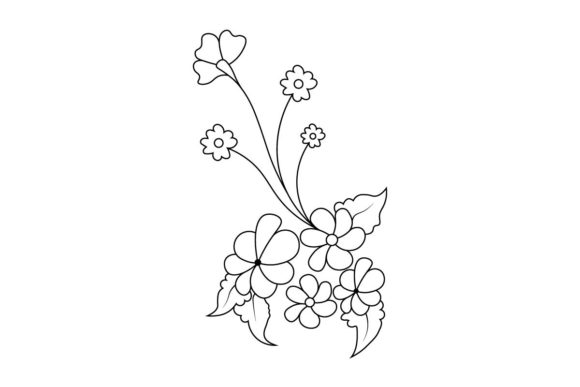
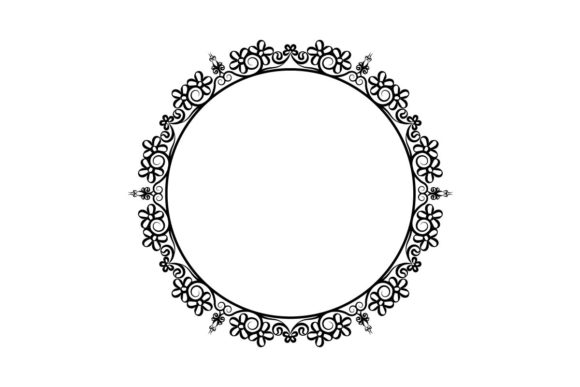
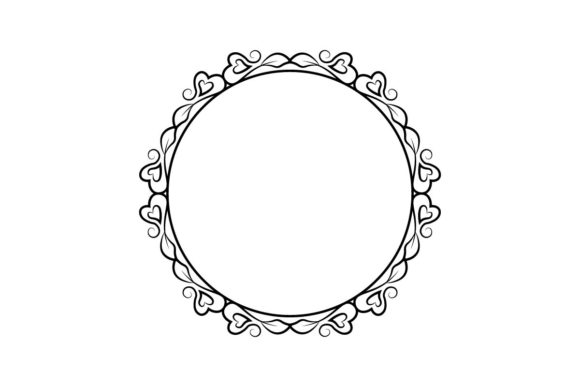
A floral element outline typically refers to a vector-based illustration of flowers or floral motifs with defined lines and no fill color. These outlines are commonly found in Adobe Illustrator files (.ai) or Encapsulated PostScript (.eps) formats, making them highly editable for professional use. The Floral Element Outline is often part of a larger template, such as a Flower Circle Frame, which provides structure and context for the design elements within it.
This type of design asset is especially useful when you need flexibility in color application, layer management, or scalability. Since it's fully editable, you can manipulate individual petals, stems, and leaves without losing quality, even at large sizes. This makes it ideal for both digital and print media applications.
Where Does the Floral Element Outline Fit Into the Design Process?
When planning a design project, the placement of a floral element outline depends largely on the goal of the project. Here’s how it might fit into different stages:
- Before a Project: Use the floral outline during the ideation phase to sketch out layout concepts or brainstorm themes. Its clean structure allows for easy experimentation with composition and style before committing to a full-color design.
- During a Project: Incorporate the outline into the active design phase for alignment, spacing, and structural balance. It acts as a guide for other design elements like text, icons, or images.
- After a Project: Reuse or repurpose the outline in follow-up designs or related projects. For example, if you designed a wedding invitation using the Floral Element Outline, you might later apply it to thank-you cards or event posters to maintain brand consistency.
Design Planning and Concept Development
Before diving into the nitty-gritty details of a design, professionals often start with wireframes or rough sketches. A Floral Element Outline can play a key role here by serving as a placeholder for decorative elements. By placing the outline early in the workflow, you can determine where visual interest should be concentrated, how much space to allocate for graphics, and how they interact with other components like typography.
Incorporate the outline into mood boards or style tiles to visualize how floral accents will complement the overall design direction. This helps ensure that your creative choices align with the intended tone and message of the project.
Workflow Integration: How to Use the Floral Element Outline Effectively
One of the main benefits of the Floral Element Outline is its compatibility with Adobe Illustrator, offering a seamless integration into existing workflows. Below are some practical ways to leverage this resource across different design scenarios:
1. Logo and Branding Projects
For small business owners or freelancers creating logos, the floral outline can serve as a subtle background element or as part of the icon itself. Because it’s vector-based, it scales perfectly for use on websites, social media profiles, and physical materials like business cards or signage.
Use the outline to:
- Frame a central brand symbol or name
- Create a border around a badge-style logo
- Layer behind minimalist text for added depth
To implement, import the EPS or AI file into your Illustrator workspace. With layers well organized, you can easily adjust individual parts of the floral motif without disrupting the rest of the artwork.
2. Event and Wedding Design
Event planners and designers frequently use floral elements to evoke warmth and elegance. The Floral Element Outline can be particularly effective in event-related projects such as:
- Save-the-date cards
- Invitations
- Banners and signage
- Table settings and programs
By integrating the outline into a Flower Circle Frame, you can create cohesive visual systems that repeat across multiple touchpoints. For instance, a circular frame with floral borders can unify all printed and digital assets associated with a single event, ensuring a consistent look and feel.
3. Packaging and Product Design
Entrepreneurs launching eco-friendly or artisanal products may find the floral outline a perfect match for their aesthetic. In packaging design, it can be used to:
- Highlight product names or descriptions
- Frame illustrations or photography
- Provide texture and visual rhythm to labels or boxes
Its editable nature means you can tailor the outline to match specific dimensions or color palettes. This level of customization ensures that your branding remains unique while benefiting from the natural appeal of floral imagery.
Practical Tips for Using the Floral Element Outline
To get the most out of the Floral Element Outline, consider these best practices:
- Organize Your Layers: Since the template includes well-organized layers, take time to understand how each section is grouped. This simplifies editing and prevents accidental changes to unrelated parts of the design.
- Experiment with Color: Apply gradients, solid colors, or even pattern fills to the outline. The absence of pre-applied color gives you complete control over the visual outcome.
- Combine with Other Assets: Don’t limit yourself to standalone use. Integrate the floral outline with textures, fonts, or photographs to build richer compositions. For example, place the outline behind a hero image on a website banner to add softness and visual hierarchy.
- Maintain Consistency: When using the outline in multiple designs (e.g., a series of marketing materials), save variations with consistent styling to preserve brand integrity across platforms.
- Optimize for Different Outputs: Test how the outline looks in both print and digital formats. Adjust stroke widths or simplify complex shapes if needed for optimal results.
Collaboration and Cross-Platform Compatibility
Designers often work in teams or share assets with clients, printers, or developers. The Floral Element Outline supports efficient collaboration due to its native format in Adobe Illustrator. Here’s how it fits into multi-platform environments:
- File Sharing: EPS and AI files are widely accepted in the design industry. Share them with colleagues who may not have access to Photoshop or other tools but can still open and edit the file in Illustrator.
- Client Presentations: Show clients the outline in grayscale first to focus on form and composition before applying color. This helps avoid premature feedback based on subjective color preferences.
- Print Readiness: Ensure stroke weights are appropriate for printing. Thin strokes may disappear in certain print resolutions, so review the outline carefully before sending to press.
Additionally, once finalized, the floral outline can be exported to SVG, PNG, or JPEG formats for web use, app development, or social media content creation. This adaptability supports long-term use and cross-functional workflows.
Real-World Workflow Examples
Here are two examples of how the Floral Element Outline can be used in real-world projects:
Example 1: Freelance Graphic Designer
A freelance designer is tasked with creating a set of greeting cards for a boutique stationery brand. They begin by importing the Floral Element Outline into Illustrator and adjusting the scale to fit standard card dimensions. The designer then duplicates the outline to create symmetrical patterns and uses it to frame hand-lettered quotes. After finalizing the layout, they export high-resolution JPEGs for print and SVGs for online store listings, ensuring compatibility with both platforms.
Example 2: Marketing Team for a Wellness Brand
A wellness company wants to launch a new line of herbal teas. The marketing team uses the Floral Element Outline as part of a Flower Circle Frame to design product labels and social media posts. Each label features a different flower species from the outline collection, representing the tea’s ingredients. The same floral frames are reused in Instagram stories and email headers, reinforcing the brand’s organic identity and reducing design time significantly.
Quality Control and Long-Term Use
Using a well-structured template like the Floral Element Outline contributes to better quality control. Since each element is isolated in its own layer, it’s easier to make revisions, correct errors, or update the design as needed. This is crucial for long-term branding or ongoing projects where aesthetics must remain fresh yet consistent.
Consider saving custom versions of the outline for future use. For instance, a blogger designing a seasonal newsletter could store a modified version of the floral frame with their preferred font styles and spacing. This saves time and maintains a recognizable visual language across publications.
Final Thoughts on Practical Implementation
While the Floral Element Outline is inherently artistic, its value lies in how it can be strategically applied to support functional design goals. From guiding layout decisions to enhancing visual storytelling, this tool offers a blend of beauty and utility. As with any design asset, the key to success is thoughtful integration — using it where it adds clarity, cohesion, or charm without overwhelming the message or user experience.
Whether you’re refining a personal project or managing a complex business campaign, the Floral Element Outline can be a reliable part of your toolkit. Its fully editable nature, coupled with smart layer organization, ensures that it adapts to your needs rather than limiting them.
Take time to explore how the outline interacts with your preferred design methods and tools. Once mastered, it becomes a valuable asset in your creative arsenal, helping you deliver polished, professional results efficiently and consistently.