Washi Tape: A Versatile Tool for Mindful Creativity and Journaling
Washi tape has become a staple in the creative world, especially among those who enjoy journaling, scrapbooking, and other arts and crafts. Its unique blend of functionality and aesthetic appeal makes it a popular choice for both beginners and seasoned artists. But what exactly is washi tape, and why does it stand out from other types of adhesive tapes? This article explores the characteristics of washi tape, its applications in junk journaling, and how it compares to similar products when it comes to mindfulness and artistic expression.
What Is Washi Tape?
Washi tape is a decorative masking tape made from natural materials such as rice paper or plant-based fibers. Unlike traditional masking tape, which can leave behind residue or damage surfaces, washi tape is gentle and often removable without causing harm. It typically features colorful patterns, including floral, geometric, damask, and vintage designs, making it ideal for adding visual interest to projects.
One of the defining traits of washi tape is its transparency. The tape allows the underlying surface to show through, creating layered effects that are visually appealing. It’s also water-resistant, so it can be used with wet media like watercolor paints or ink without dissolving. These qualities make washi tape not only useful but also versatile across a wide range of creative endeavors.
Washi Tape in Junk Journaling
Junk journaling is an art form that encourages the use of repurposed or discarded materials to create personal, mixed-media journals. It blends creativity with sustainability and offers a tactile, hands-on experience that many find therapeutic. Washi tape plays a significant role in this practice by providing an easy way to add structure, color, and design to pages without the need for complex tools.
When incorporated into a junk journal, washi tape can serve multiple purposes. It can be used to frame quotes, highlight important sections, create page dividers, or even act as a background for collages. Because it adheres well but doesn’t permanently stick, it’s perfect for experimenting and repositioning elements during the journaling process.
Instant Access to Creative Inspiration
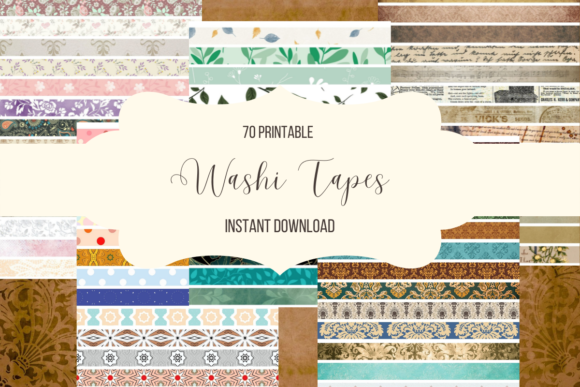
With the rise of digital downloads, many creators now offer washi tape designs in printable formats. These downloadable packs, such as sets containing 70 unique designs split into categories like vintage, floral, geometric, damask, and plant themes, allow users to customize their journals easily. Once downloaded, you receive a zip file containing high-resolution JPGs suitable for printing on A4-sized paper at home or at a local copy store.
This kind of digital product eliminates the need to purchase physical washi tape rolls, reducing clutter and cost. It also provides the flexibility to print as many copies as needed, ensuring you always have enough material for your next project. For those who prefer working with paper rather than fabric or canvas, these printable washi tape designs offer a convenient alternative.
Comparing Washtape to Other Journaling Tools
While washi tape is a favored tool in junk journaling, it’s important to understand how it stacks up against other commonly used items like stickers, stencils, or ribbon accents. Each option brings something different to the table, and the best choice depends on your personal style and the desired outcome.
- Stickers: Stickers are great for bold, eye-catching designs. However, they can sometimes be too rigid or opaque, limiting the ability to layer them creatively. In contrast, washi tape allows more flexibility due to its semi-transparent nature and ease of removal.
- Stencils: Stencils provide precise patterns but require additional tools like paint or markers. They can be time-consuming and messy compared to the simplicity of applying washi tape directly onto a page.
- Ribbon or Fabric Accents: These materials add texture and dimension to journals. Yet, they may not adhere as neatly or consistently as washi tape, which can lead to fraying or slipping over time.
Compared to these alternatives, washi tape strikes a balance between simplicity and sophistication. It’s particularly suited for individuals who value a clean workspace and minimal setup while still wanting to infuse their journals with personality and charm.
Best-Fit Situations for Washtape
There are several scenarios where washi tape shines as a creative tool:
- Mindfulness Activities: The repetitive, deliberate action of cutting and placing washi tape can be meditative. It helps focus the mind, making it a valuable addition to mindfulness routines.
- Themed Journals: Whether you’re crafting a nature-themed journal or one inspired by retro aesthetics, washi tape allows you to match the mood and tone with appropriate designs.
- Beginner-Friendly Projects: Due to its forgiving nature and ease of use, washi tape is excellent for newcomers to journaling who want to experiment with layout and design without fear of mistakes.
- Educational or Organizational Purposes: Teachers and students alike use washi tape to organize notebooks or highlight key information. Its durability ensures that labels and notes remain intact for long periods.
Strengths and Tradeoffs of Using Digital Washtape Designs
Digital washi tape designs come with several advantages, especially for those who enjoy the convenience of instant access and customization. Here’s a closer look at their strengths and potential limitations:
Strengths
- Accessibility: You can download and start using washi tape designs immediately, eliminating the wait time associated with shipping physical products.
- Cost-Effectiveness: Buying a digital pack with 5 JPG files often costs less than purchasing individual washi tape rolls, especially if you're looking for specific styles like vintage or geometric.
- Print Flexibility: With options to print on A4 paper, you can tailor the size and quantity to your needs. You can also reuse the designs by reprinting them later.
- Creative Freedom: Having a variety of designs at your fingertips enables you to mix and match, creating unique combinations that reflect your personal taste.
Tradeoffs and Limitations
- Material Quality: While printed washi tape can mimic the look of authentic washi tape, it lacks the same texture and strength. Physical washi tape is usually thicker and more durable, especially for frequent handling or exposure to moisture.
- Time Investment: Printing and cutting digital washi tape designs requires more manual effort than simply unrolling pre-made tape. This might slow down the creative process for some users.
- Printer Dependency: The quality of the final output relies heavily on the printer and paper used. Low-quality prints may not look as vibrant or professional as commercial washi tape.
Choosing the Right Option for Your Needs
Deciding whether to use digital washi tape designs or traditional washi tape depends on your goals, preferences, and workflow. If you prioritize affordability and variety, a digital set with 70 designs covering different themes—such as vintage, floral, and geometric—is an excellent choice. It gives you the freedom to curate your own washi tape collection without the expense of buying numerous physical rolls.
However, if your projects involve heavy use or require a stronger adhesive, physical washi tape may be more suitable. Commercially produced washi tape is designed to last longer and maintain its shape and color better under various conditions. Additionally, for those who prefer a more spontaneous approach to journaling, having physical rolls on hand can streamline the creative process.
Consider your environment as well. At-home journalers with access to a reliable printer might find digital washi tape convenient, while crafters who frequently work in public spaces or workshops may benefit from the portability of actual washi tape rolls.
Realistic Use Cases and Examples
To illustrate how digital washi tape fits into different creative workflows, let's consider a few examples:
- A teacher preparing student planners might download a set of digital washi tapes and print them in bulk. The vintage and geometric designs could be used to label sections, while floral accents could add a touch of elegance.
- An artist practicing mindful journaling might choose a damask or plant-themed design to incorporate subtle textures and colors into their pages without overwhelming the content.
- Someone organizing a bullet journal could use digital washi tape to create custom tabs or headers, allowing for personalization beyond standard templates.
In each case, the user benefits from the flexibility of choosing designs that suit their vision. The fact that they can print these designs as needed means they don’t have to worry about running out of washi tape mid-project.
Decision Factors When Selecting Washtape Options
Several factors should influence your decision when choosing between digital washi tape and physical rolls:
- Budget: Digital washi tape is generally more cost-effective upfront, but consider the ongoing cost of printing supplies if you plan to use it frequently.
- Design Preferences: If you love experimenting with new patterns and themes, a downloadable set with diverse options like vintage, floral, and geometric will give you more room to play.
- Project Requirements: High-use journals or those exposed to weather or frequent handling may require the sturdiness of traditional washi tape.
- Time Constraints: Digital washi tape involves an extra step of printing and cutting, which may be less ideal if you need a quick solution.
Weighing these factors will help you determine which option aligns better with your creative habits and lifestyle. Some people may even find that combining both digital and physical washi tape offers the best of both worlds.
Final Thoughts on Incorporating Washtape into Your Practice
Whether you're a long-time junk journaler or just beginning to explore the world of mindful creativity, washi tape is a valuable tool to consider. Its combination of beauty, utility, and adaptability makes it a standout choice for those who want to enhance their journals with visual flair and personal meaning.
For those who appreciate variety and control over their creative inputs, a digital washi tape set with 70 designs in five categories—vintage, floral, geometric, damask, and plant—offers an accessible and customizable solution. The ability to print on A4 paper and revisit favorite designs anytime adds to its appeal.
Ultimately, washi tape supports a thoughtful, intentional approach to journaling. It invites you to slow down, pay attention to details, and express yourself through color and pattern. As you evaluate your options, consider how washi tape fits into your overall creative strategy—and whether it enhances the way you engage with your journal on a daily basis.