Redefining Digital Charm: The Strategic Role of Hole Heart in Contemporary Creative Projects
In an era where digital interfaces are saturated with minimalist sans-serifs and rigid geometric grids, the demand for authenticity and emotional resonance has never been higher. Consumers and users alike are seeking a break from the sterile uniformity that has dominated web design and branding for the past decade. This shift toward "digital warmth" has created a fertile ground for typefaces that evoke personality, playfulness, and human connection. Among these emerging tools, Hole Heart stands out not merely as a decorative choice, but as a strategic asset for professionals looking to inject whimsy and distinctiveness into their work.
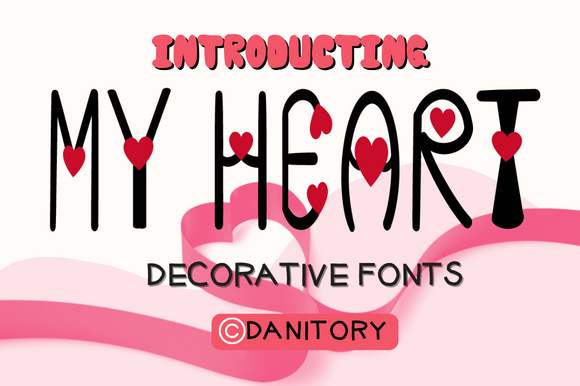
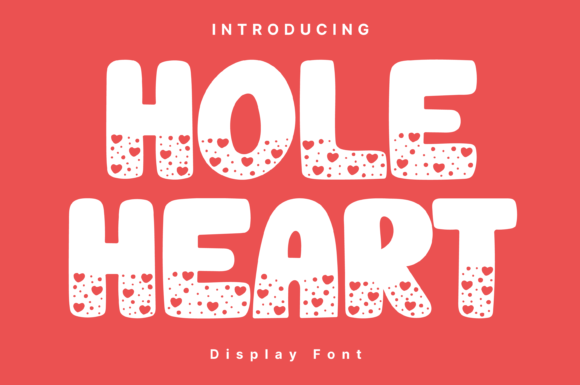
Hole Heart is a whimsical and cute decorative font designed to capture attention through its unique structural quirks and inviting aesthetic. It can easily be matched to an incredibly large set of projects, so add it to your creative ideas and notice how it makes them stand out. Whether you are a freelancer crafting a personal brand, a marketer designing a campaign for a lifestyle product, or an entrepreneur launching a new app, understanding the nuance of this typeface allows you to communicate more effectively with audiences who crave approachability.
The Evolution of Typeface Selection in a Post-Minimalist World
To understand why Hole Heart is gaining traction among creators, one must first look at the broader trajectory of graphic design trends. For years, the tech industry and corporate sectors adhered strictly to a "less is more" philosophy. Clean lines, neutral colors, and highly legible sans-serif fonts became the standard for trust and efficiency. While this approach remains effective for conveying stability, it often fails to convey empathy or joy.
Recent market analysis suggests a pivot toward expressive typography. Brands are increasingly using type as a primary vehicle for storytelling rather than just a container for information. This trend aligns with the rise of Gen Z and Millennial consumer bases, who prioritize brands that exhibit genuine personality and transparency. They are less interested in polished perfection and more drawn to designs that feel hand-crafted, imperfect, and relatable.
This is where decorative fonts like Hole Heart become relevant. They serve as visual punctuation marks in a sea of bland text, signaling to the user that the brand behind the message is approachable and fun. By integrating such fonts, designers can bridge the gap between professional credibility and creative flair, creating a hybrid aesthetic that feels both modern and nostalgic.
Bridging Nostalgia and Modernity
One of the key reasons Hole Heart resonates with contemporary audiences is its ability to evoke nostalgia without feeling dated. The font’s whimsical nature often recalls the playful signage of mid-century diners or the hand-lettered posters of the 1970s, yet it is rendered with the precision required for high-resolution digital screens. This duality allows it to fit seamlessly into various contexts:
- Lifestyle Branding: For cafes, boutiques, and artisanal product lines, the font adds a layer of artisanal charm that suggests care and attention to detail.
- Digital Content Creation: Influencers and content creators use it in thumbnails and social media graphics to stop the scroll, leveraging its cuteness to create an immediate emotional hook.
- Event Marketing: From birthday invitations to festival flyers, the font’s energetic vibe matches the celebratory tone of such events perfectly.
Practical Applications for Professionals and Entrepreneurs
For freelancers and agency owners, the utility of Hole Heart extends beyond mere aesthetics; it impacts conversion rates and user engagement. When used strategically, decorative fonts can guide the user’s eye and emphasize key value propositions. However, the challenge lies in balancing whimsy with readability. Overuse of decorative type can lead to cognitive overload, causing users to disengage. Therefore, professionals must adopt a nuanced approach to implementation.
- Headline Hierarchy: Use Hole Heart for headlines, titles, or short pull quotes. Its distinctive shape grabs attention immediately, allowing the body text (typically a clean sans-serif) to handle the heavy lifting of information delivery.
- Brand Voice Alignment: Ensure the font matches your brand’s voice. If your brand is serious, financial, or medical, Hole Heart may undermine trust. However, for brands in the wellness, education, entertainment, or food sectors, it reinforces a friendly and supportive image.
- Contextual Pairing: The versatility of Hole Heart means it pairs well with a wide range of complementary fonts. Pairing it with a simple, geometric sans-serif creates a contrast that highlights the whimsy of the headline while maintaining overall layout stability.
Consider the example of a freelance illustrator building a portfolio website. By using Hole Heart for section headers, the site immediately communicates the artist’s playful style before the visitor even sees the artwork. This subtle cue sets expectations and enhances the user experience by creating a cohesive narrative from the moment they land on the page.
Why Creators Are Paying Attention Now
The current digital landscape is characterized by an abundance of content. Algorithms favor engagement, and engagement is driven by emotion. Fonts that elicit positive emotions—such as joy, curiosity, or comfort—are inherently more shareable and memorable. Hole Heart, with its cute and inviting appearance, taps directly into these psychological triggers.
Furthermore, the rise of no-code website builders and drag-and-drop design platforms has democratized typography. Non-designers now have access to sophisticated font libraries, including whimsical options like Hole Heart. This accessibility has led to a surge in diverse, personalized web design. Entrepreneurs who were previously reliant on generic templates are now customizing their sites with unique fonts to differentiate themselves in crowded markets.
This shift reflects a broader change in consumer expectations. Users are tired of cookie-cutter solutions. They want to feel like they are interacting with a real person or a unique entity. A well-chosen decorative font signals that effort has been made, that the creator cares about the details. In a competitive marketplace, these small details can be the deciding factor in whether a user stays or leaves.
Enhancing User Experience Through Emotional Design
Emotional design is not just about making things look pretty; it is about reducing friction and building trust. When a user encounters a friendly, whimsical font like Hole Heart on a landing page, it lowers their defensive barriers. It suggests that the service or product behind the text is easy to use and safe. This is particularly important for startups and new businesses trying to establish credibility quickly.
Additionally, the scalability of Hole Heart across different mediums—from mobile apps to print packaging—makes it a practical choice for omnichannel marketing strategies. Consistency in visual language strengthens brand recognition, and having a versatile font that works across these touchpoints ensures that the brand’s playful identity remains intact regardless of where the customer interacts with it.
Integrating Whimsy into Professional Workflows
For professionals, incorporating Hole Heart into workflows requires a shift in mindset. It is not enough to simply select a font because it looks cute; it must serve a functional purpose within the design system. Here are some observations on how to integrate it effectively:
- Define Usage Guidelines: Create clear rules for when and how to use the font. Specify maximum character counts per line to prevent illegibility.
- Test Across Devices: Ensure that the whimsical details of Hole Heart remain visible and recognizable on smaller screens, where intricate details might get lost.
- Limit Color Palettes: Decorative fonts often carry visual weight. Pair them with muted or neutral background colors to let the typography shine without creating visual chaos.
By treating Hole Heart as a strategic component of the design toolkit rather than a mere decoration, professionals can leverage its power to enhance communication. It allows for a more human-centric approach to design, one that prioritizes connection over cold efficiency.
Looking Ahead: The Future of Expressive Typography
As technology continues to evolve, so too will our relationship with text. With the advent of variable fonts and dynamic web rendering, we can expect to see even more expressive and interactive typographic experiences. Hole Heart represents the early stages of this movement, proving that there is room for personality in digital spaces.
For marketers and creators, staying ahead of this curve means embracing diversity in visual communication. It involves recognizing that different messages require different tones, and that sometimes, a whimsical font is the most professional choice available because it aligns best with the audience's desire for authenticity. As the market continues to fragment and niche communities grow, the ability to tailor visual identity precisely becomes a critical skill.
In conclusion, Hole Heart is more than just a cute decorative font; it is a tool for differentiation in a homogenized digital world. By understanding its strengths and applying it with strategic intent, professionals can create designs that not only look good but also resonate deeply with users. Whether you are updating your brand identity, designing a new campaign, or simply refreshing your portfolio, adding Hole Heart to your creative arsenal offers a tangible way to make your projects stand out. Embrace the whimsy, connect with your audience, and watch as your designs gain the attention they deserve.
The future of design is not just about clarity; it is about character. And in that future, fonts like Hole Heart will play a pivotal role in shaping how we see, feel, and interact with the digital content that surrounds us every day.