Heart Landing: A Handwritten Font That Adds Personality to Your Designs
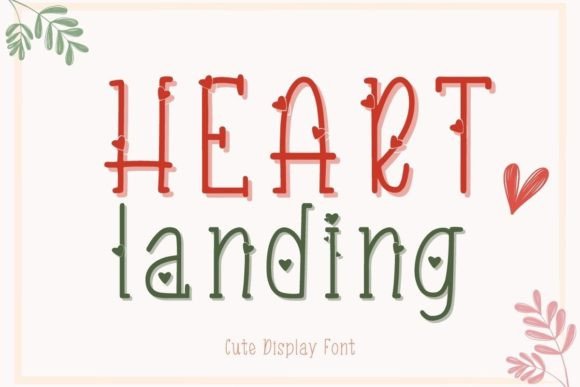
In the world of typography, a font can do more than just communicate text—it can evoke emotion, define brand identity, and enhance visual storytelling. Heart Landing is one such font that stands out for its charm and versatility. Designed with a focus on elegance and warmth, it’s a decorative typeface that blends the authenticity of handwriting with a polished aesthetic, making it suitable for both personal and professional creative projects.
The Unique Appeal of Heart Landing
Handwritten fonts often carry a sense of intimacy and creativity, but not all achieve the right balance between style and legibility. Heart Landing manages to walk this line effectively. Its strokes are fluid yet deliberate, giving it a natural feel without sacrificing readability. The font’s subtle variations in weight and character shape add a layer of sophistication, distinguishing it from many casual script styles that may appear too informal or difficult to use in certain contexts.
What makes Heart Landing particularly compelling is its ability to convey a sense of care and thoughtfulness. Whether you're designing a greeting card, a website header, or branding materials for a boutique business, this font has the potential to resonate emotionally with your audience. It’s not just about how the text looks—it's about how it feels when read or seen.
Key Features and Design Characteristics
Heart Landing is crafted with attention to detail, including gentle curves, open apertures, and a well-balanced x-height. These characteristics contribute to its high legibility, especially at larger sizes where it shines as a display font. The spacing between letters is generous, allowing each character to breathe while maintaining an overall cohesive appearance.
- Handwritten Style: Offers a natural, organic look that mimics cursive writing.
- Decorative Elegance: Combines artistic flair with a clean, modern structure.
- Character Variations: Includes alternate glyphs and ligatures for added stylistic flexibility.
- Unicode Support: Works seamlessly across multiple languages and platforms.
This font supports a wide range of diacritics and special characters, which is essential for international designers or those working in multilingual environments. Additionally, it comes with OpenType features that allow for easy customization, such as swapping out certain letterforms or adding stylized punctuation.
Use Cases and Real-World Applications
Heart Landing is most effective in settings where a personal touch is desired. Here are some practical examples of where it might be used:
- Brand Identity: Ideal for small businesses like boutiques, cafes, or artisanal product lines that want to project a warm, approachable image.
- Invitations and Stationery: Perfect for wedding invitations, birthday cards, thank-you notes, or any event-related design where a handwritten feel adds charm.
- Digital Content: Can be used for headers, titles, or call-to-action buttons in websites, blogs, and social media posts to create a friendly and engaging tone.
- Marketing Materials: Suitable for posters, flyers, and packaging designs that benefit from a unique and memorable typographic style.
- Personal Projects: Great for resumes with a creative slant, art portfolios, or self-published books where individuality is key.
One notable example is a local bakery that rebranded using Heart Landing for their logo and packaging. The result was a refreshed look that felt inviting and handcrafted, aligning perfectly with their values and customer expectations. This demonstrates how a well-chosen font can significantly impact perception and connection with an audience.
Practical Considerations for Use
While Heart Landing is undeniably beautiful, it’s important to consider how it functions within different design ecosystems. As a decorative font, it performs best in short bursts of text rather than large blocks. Overuse can lead to visual fatigue or reduced clarity, especially for users who need to process information quickly.
When pairing Heart Landing with other fonts, opt for a contrast that complements its softness. A clean sans-serif like Helvetica or a minimalist serif like Georgia can serve as excellent supporting fonts, ensuring that the message remains clear and the design remains balanced.
Additionally, the font works well in both print and digital formats. In print, its ornate details come through beautifully on high-quality paper. In digital media, it holds up well on screens due to its optimized stroke contrast and spacing.
Who Benefits Most from Heart Landing?
Heart Landing is particularly suited for professionals and creatives who value aesthetics alongside functionality. This includes:
- Graphic designers looking for a versatile decorative font to elevate client projects.
- Small business owners aiming to build a distinctive brand identity.
- Bloggers and content creators wanting to make their headlines stand out with a human touch.
- Event planners crafting custom invitations and signage that reflect a personalized experience.
- Marketers seeking to connect with audiences through visually appealing campaigns.
For educators and publishers, Heart Landing could also be used in children's books or educational materials aimed at younger audiences, where a whimsical and friendly font helps engage readers.
Evaluating Quality and Long-Term Value
Typographically speaking, Heart Landing exhibits strong craftsmanship. Each glyph is carefully designed to maintain harmony with the others, ensuring that the font doesn’t fall apart when used together in phrases or sentences. The attention to detail in its kerning (letter spacing) and baseline alignment enhances its usability in professional settings.
As far as reliability is concerned, the font file is stable and compatible with most major design software and operating systems. Users have reported minimal issues with rendering or licensing, which is a significant plus for anyone planning to integrate it into a commercial workflow.
From a long-term perspective, Heart Landing offers consistent performance over time. It hasn’t shown signs of deprecation or obsolescence, and its popularity among designers suggests that it will remain relevant for years to come. For those building a library of design assets, it’s a solid addition that can evolve with their portfolio.
Possible Limitations and Recommendations
Like any decorative font, Heart Landing isn't universally applicable. It should be reserved for situations where its personality enhances the message rather than distracts from it. Avoid using it in body text or in environments requiring strict compliance with accessibility standards, where readability is paramount.
If you’re considering using it in web design, ensure that it’s properly embedded and that fallback options are in place. While it performs well on modern browsers, older systems may struggle with rendering the more intricate glyphs.
To maximize its effectiveness, pair it with a complementary sans-serif or serif font for secondary text. Also, consider adjusting its color and weight slightly depending on the background or surrounding elements to maintain visual hierarchy and clarity.
Heart Landing in Creative Workflows
Heart Landing integrates smoothly into most design workflows. It’s available in standard OTF and TTF formats, and many versions also include WOFF and WOFF2 for web use. Licensing typically allows for both personal and commercial applications, though it’s always wise to verify the specific terms provided by the vendor or foundry.
Designers who work with Adobe Creative Suite, Figma, Canva, or similar tools will find it easy to implement. The font’s OpenType support means advanced typographers can take advantage of stylistic sets and contextual alternates to tailor the look even further.
Another benefit is its scalability. At smaller sizes, the font maintains enough clarity to function as a subheading or button label. At larger sizes, its decorative elements become more pronounced, making it ideal for eye-catching headlines or logos.
A Balanced Perspective on Heart Landing
No font is perfect for every purpose, and Heart Landing is no exception. While it excels in expressive and decorative contexts, it may not be the best choice for data-heavy interfaces or formal documents where precision and neutrality are required. However, for the right use case—like branding a lifestyle blog, designing a fashion line, or creating a heartfelt invitation—it can be a standout asset.
Its effectiveness also depends on the designer’s skill in balancing form and function. A skilled typographer can leverage its nuances to create something truly special; however, misuse could lead to cluttered or confusing layouts. Always test the font in context before finalizing a design.
Final Thoughts
Heart Landing is more than just a pretty font—it’s a tool that can help you tell stories, express values, and connect with your audience on a deeper level. When used appropriately, it brings a sense of warmth and authenticity that can be hard to replicate with other typefaces.
Whether you're a seasoned designer or someone experimenting with typography for the first time, Heart Landing offers a compelling blend of beauty and usability. It’s not just about looking good—it’s about communicating with intention and style.
If your project calls for a touch of humanity and heart, give Heart Landing a try. You’ll likely find it a reliable companion in your creative toolkit, capable of elevating your work in ways you hadn’t anticipated.