Funny Dream Font Evaluation
In the vast ecosystem of digital typography, finding a typeface that balances distinct personality with functional versatility can be challenging. Designers often struggle to find fonts that are expressive without being overwhelming or difficult to read. Funny Dream emerges as a specific solution for projects requiring a touch of whimsy, warmth, and approachability. This decorative font is characterized by its cute, friendly aesthetic and its ability to inject a cheerful vibe into visual compositions. For professionals evaluating typefaces for branding, web design, or print media, understanding the specific applications and limitations of Funny Dream is essential for making an informed decision.
Understanding the Aesthetic Profile
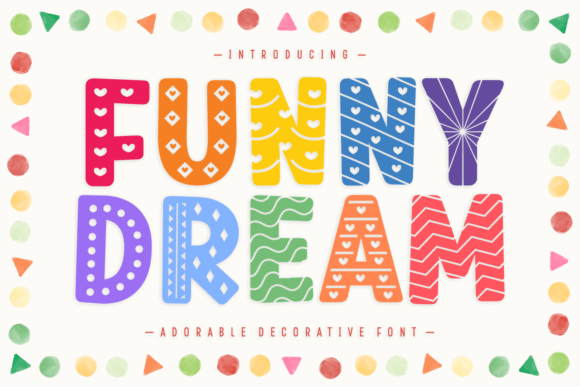
Funny Dream is not a standard serif or sans-serif typeface designed primarily for long-form body text. Instead, it falls squarely into the category of decorative display fonts. Its design language relies on rounded edges, irregular spacing, and playful character shapes that evoke a sense of childlike wonder and positivity. The name itself suggests a narrative of imagination and lightness, which is reflected in the glyph structures. Each letter appears hand-crafted yet consistent enough to maintain legibility at larger sizes.
The "cute" descriptor associated with this font is not merely subjective; it refers to specific typographic features such as soft curves, lack of sharp angles, and a generally compact x-height. These elements combine to create a positive vibe that resonates with audiences looking for non-threatening, welcoming visuals. When you select Funny Dream for a design, you are selecting a tone that is informal, optimistic, and engaging. It serves as a visual cue that tells the viewer they are entering a space of creativity and fun.
Key Benefits and Applications
The primary strength of Funny Dream lies in its versatility within specific contexts. While it may not suit every project, it excels in scenarios where emotional connection and immediate visual appeal are prioritized over strict informational density. Below are several areas where this font demonstrates significant value:
- Branding for Lifestyle Products: Brands targeting children, families, or creative hobbies often require logos and headers that feel accessible. Funny Dream’s cheerful nature aligns well with toy companies, educational apps, and craft supplies.
- Social Media Graphics: In the fast-scrolling environment of social media, unique typography captures attention. The distinctive shape of Funny Dream helps posts stand out in feeds, particularly for lifestyle bloggers, influencers, and small business owners sharing personal stories.
- Event Invitations and Print Collateral: Birthday parties, baby showers, and casual community events benefit from the festive atmosphere created by this font. It transforms simple text into an invitation that feels like an event in itself.
- UI Elements and Buttons: For web interfaces aiming for a playful user experience, such as gaming platforms or creative toolbars, using Funny Dream for buttons or status labels can enhance the overall user journey by reducing friction through humor and friendliness.
Another practical benefit is its ability to brighten up designs that might otherwise feel sterile. By introducing a single element of personality through typography, designers can elevate a mundane layout into something memorable. The font acts as a force multiplier for other design elements, drawing the eye and setting the mood before the user even reads the content.
Traffoffs and Considerations
Evaluating any font requires a balanced view of its limitations. Funny Dream is a decorative font, which inherently restricts its use cases. It is not suitable for body copy, legal disclaimers, or any text that requires high readability over extended periods. Using this font for paragraphs will likely result in reader fatigue due to the irregular shapes and potentially inconsistent stroke weights.
Additionally, the strong personality of Funny Dream means it can clash with other design elements if not used judiciously. If a brand identity already has a loud or chaotic visual style, adding this font may create visual noise rather than harmony. Designers must consider the balance between the font's whimsy and the seriousness of the message. For instance, while it works well for a birthday party invitation, it would be inappropriate for a financial report or a medical advisory.
There is also the consideration of licensing and availability. As a specific decorative font, users must ensure they have the appropriate commercial license to use Funny Dream in their projects. Unlike system fonts, decorative typefaces often require purchase or subscription, which adds to the cost of production. Furthermore, compatibility across different devices and browsers should be tested, especially if the font is embedded in web projects, to ensure the intended aesthetic is preserved.
Decision-Making Framework
To determine whether Funny Dream is the right choice for your next project, consider the following decision-making insights. Start by defining the core emotion you want to convey. If the goal is to communicate trust, authority, or minimalism, this font is likely a poor fit. However, if the objective is to evoke joy, curiosity, or nostalgia, Funny Dream becomes a strong candidate.
Next, evaluate the medium. Is the text primarily viewed in short bursts? Display fonts like Funny Dream thrive in headlines, titles, and isolated phrases where the viewer has time to appreciate the details. If the text needs to be scanned quickly for information, opt for a more neutral typeface.
Finally, compare it against alternatives. Fonts like Comic Neue offer a similar playful vibe but with a more structured grid, potentially offering better readability. Other decorative fonts might provide a different flavor of whimsy, such as retro or gothic styles. Testing Funny Dream alongside these alternatives in mockups can reveal which best supports your brand voice without overshadowing the content.
Conclusion
Funny Dream is a specialized tool in the designer’s arsenal. It is not a universal solution but a targeted one for projects demanding cuteness, friendliness, and a positive outlook. By understanding its strengths in branding and display, while respecting its limitations in body text and formal contexts, designers can leverage this font to create impactful, memorable visuals. When the goal is to brighten up a design and connect with an audience on an emotional level, Funny Dream offers a reliable and effective aesthetic solution.