Decorative Wall Mandala Laser Cut: A Guide to Choosing and Using the Right Files for Stunning Results
Decorative Wall Mandala Laser Cut has become a popular choice among home decor enthusiasts, DIY creators, and professional designers alike. These intricate designs offer a unique way to transform any room into a space filled with modern artistry and spiritual symbolism. Whether you're an experienced laser cutter or just starting out, understanding what these files are, how they work, and common pitfalls to avoid is essential for achieving high-quality results.
What Is Decorative Wall Mandala Laser Cut?
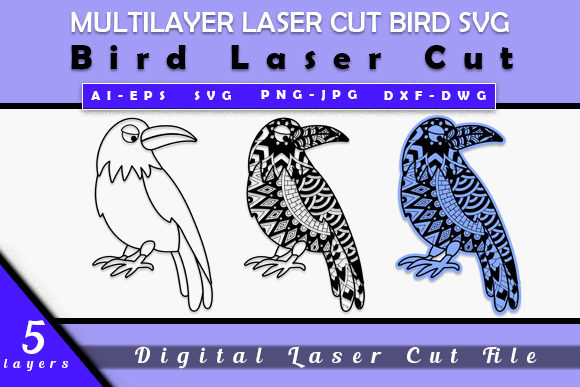
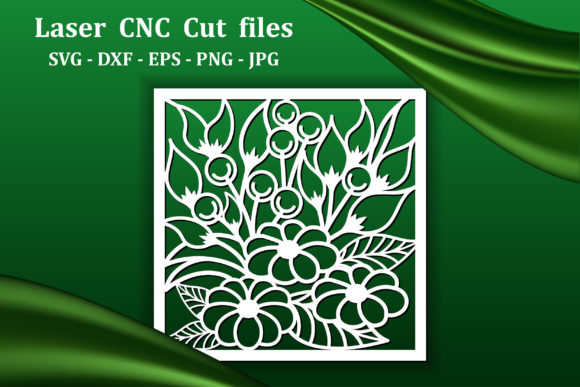
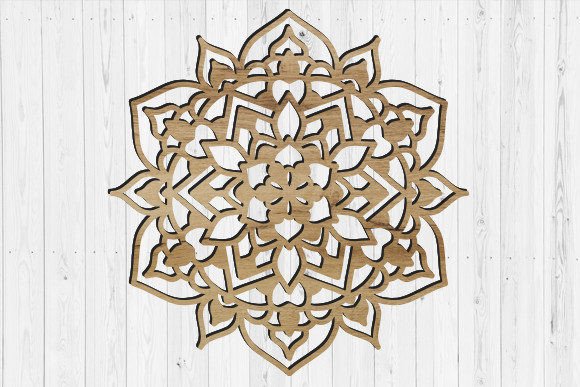
Decorative Wall Mandala Laser Cut refers to intricate mandala patterns designed specifically for laser cutting machines. These patterns can be crafted from wood, acrylic, metal, or other materials that respond well to precision cutting. The digital files include multiple layers and are often provided in formats like SVG, DXF, AI, EPS, JPG, PNG, and PDF — ensuring compatibility with most design software and cutting tools such as CNC routers and laser cutters.
Mandala wall art brings a sense of balance, harmony, and beauty to your space. It’s not only visually appealing but also versatile enough to fit into various interior styles — from minimalist to bohemian. With the right file set, anyone can create a stunning piece of art that complements their home's aesthetic.
Common Mistakes When Choosing Laser Cut Mandala Files
While the appeal of creating personalized mandala art is strong, many users overlook key details when selecting their digital files. Here are some of the most common mistakes:
- Picking Low-Quality Files: Some file sets may look great at first glance but lack the precision needed for clean cuts. This can lead to jagged edges or incomplete layers after cutting.
- Ignoring Material Compatibility: Not all digital files are optimized for every material type. For example, a file designed for thin plywood might not work well with thick acrylic without adjustments.
- Using Outdated File Formats: If your machine doesn’t support the latest versions of AI or SVG files, you might run into issues during the import process. Always verify which software and machine versions your files will work with.
- Not Checking Layer Information: Many mandala designs feature multiple layers for depth and dimension. Failing to review layer structure before downloading could result in missing parts or incorrect assembly.
How These Mistakes Can Impact Your Project
Making one of these errors can affect both the final appearance and the overall efficiency of your project. For instance, using a poorly structured file may cause your machine to misinterpret the design, leading to wasted time and materials. Similarly, if the layers aren't clearly defined, assembling the pieces might become frustrating or even impossible, especially if you’re aiming for a complex multi-tiered mandala.
Another concern is cost. If you have to repeat the cutting process due to low-quality or incompatible files, it can add up quickly. Especially when working with expensive materials like brass or aluminum, it's crucial to ensure the file is precise and scalable to match your project requirements.
Practical Tips for Avoiding Common Pitfalls
To help you achieve the best results, here are some practical steps to take when choosing and using Decorative Wall Mandala Laser Cut files:
- Check File Quality and Resolution: Look for files that include high-resolution PNGs or JPGs as previews. These should show clear lines and minimal pixelation. A well-designed file ensures accurate laser output.
- Verify Format Compatibility: Make sure the file format matches your machine and software. For example, if you're using Autodesk applications, confirm that the bundle includes DWG or DXF files. SVG and AI are also widely supported by most laser cutting programs.
- Review Layer Instructions Carefully: Multilayer mandalas require attention to detail. Each layer should be labeled and color-coded for easy identification. Some bundles even include assembly guides or suggestions for spacing between layers.
- Consider the Intended Use: Are you planning to hang the mandala directly on the wall or frame it? Choose a file that allows for proper sizing and proportion based on your chosen display method. A large mandala might need more robust material and structural support.
- Look for Scalability Options: High-quality decorative wall mandala laser cut files are usually fully scalable. This means you can adjust the size without losing quality, making them suitable for different projects and spaces.
Real-World Examples of Better Approaches
Imagine you're a small business owner looking to create custom wall art for your boutique. You find a beautiful mandala file online and rush to buy it without checking the format. Later, you discover it’s only available in a basic image format, not as a vector file. Now you face the challenge of manually tracing the design, which takes time and increases the risk of inaccuracies.
A better approach would be to purchase a comprehensive bundle that includes SVG, DXF, AI, and EPS files. These allow for easy editing and scaling within design software, giving you full control over the final product. Additionally, having layered information makes it easier to produce dimensional effects, adding a professional touch to your creations.
What to Check Before Making a Purchase
Before buying a Decorative Wall Mandala Laser Cut package, consider the following:
- File Inclusions: Ensure the bundle includes all necessary formats (SVG, DXF, AI, etc.) and high-resolution images for reference.
- Layer Clarity: Ask the seller if the design comes with separated layers or instructions for assembly. Clear layer definitions make the difference between a simple flat design and a richly textured piece of art.
- Material Recommendations: Some sellers provide suggestions for ideal materials based on the complexity of the design. Pay attention to these tips to save time and effort later.
- Customer Support: If you're new to laser cutting or need help with technical aspects, choose a vendor that offers prompt customer service or detailed tutorials.
Why Go Digital with Mandala Laser Cut Wall Decor?
Digital mandala laser cut designs give you flexibility and creative freedom. Unlike traditional hand-carved mandalas, these digital layouts can be customized easily. You can change colors, sizes, and even combine multiple mandalas for a gallery-style wall arrangement. Moreover, digital files eliminate the guesswork involved in drawing mandalas freehand, allowing you to focus on the craftsmanship of the cutting and finishing process.
For educators and hobbyists, these files are excellent for workshops and learning projects. They provide a ready-made resource for students to explore design principles and laser cutting techniques without needing advanced artistic skills. Entrepreneurs and marketers can leverage this trend by offering bespoke mandala art to clients or incorporating it into product displays for a calming, artistic vibe.
Final Thoughts on Creating Beautiful Mandala Art
Decorative Wall Mandala Laser Cut is a powerful tool for enhancing your living or working space with elegant, handmade-like art. By avoiding common mistakes such as poor file quality, ignoring material needs, or skipping layer details, you can ensure your project turns out exactly as envisioned. Always take the time to evaluate the file contents and understand how they align with your equipment and goals.
With the right digital multilayer layout files, you can elevate your laser cutting projects from ordinary to extraordinary. Whether you're hanging it in your living room, office, or selling it as part of your craft line, a well-executed mandala wall art piece is sure to impress and bring a sense of peace to any environment.
If you're unsure about anything, don’t hesitate to reach out to the seller for clarification. Investing a little extra time upfront will save you from headaches down the road and help you make the most of your Decorative Wall Mandala Laser Cut investment.