Blood on Skull: The Ultimate Spooky Font for Halloween and Horror Design
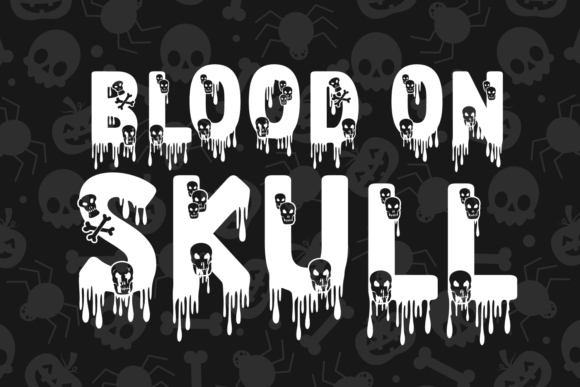
When it comes to creating visuals that instantly evoke a sense of dread, excitement, or eerie nostalgia, typography plays a pivotal role. Among the vast array of decorative typefaces available to designers, Blood on Skull stands out as a premier choice for anyone looking to inject a visceral, horror-themed aesthetic into their projects. This is not merely a font; it is a design element that carries the weight of its imagery—dripping blood, skeletal structures, and bone fragments—directly into your text.
Whether you are a graphic designer crafting a poster for a local haunted house, a developer building a spooky landing page, or a content creator making social media graphics for October, understanding how to effectively utilize Blood on Skull can elevate your work from standard to unforgettable. This article explores what makes this font unique, the technical considerations for using it, and practical ways to implement it in your creative workflow.
Understanding the Aesthetic of Blood on Skull
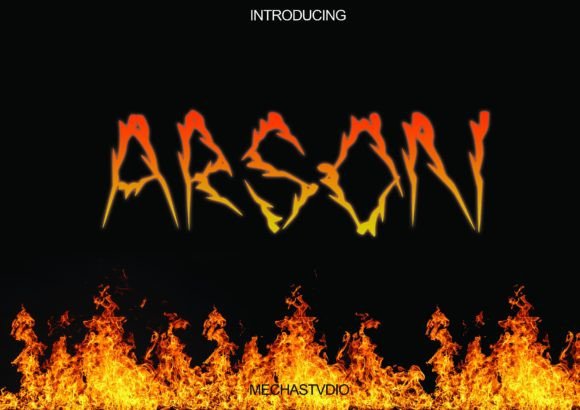
At first glance, Blood on Skull is defined by its aggressive and macabre character set. Unlike standard serif or sans-serif fonts that prioritize readability above all else, this typeface prioritizes atmosphere. Each character is designed to look like it has been carved from bone or stained with fresh blood. The "dripping" effect is not just a stylistic flourish; it creates a sense of motion and decay that static text cannot achieve.
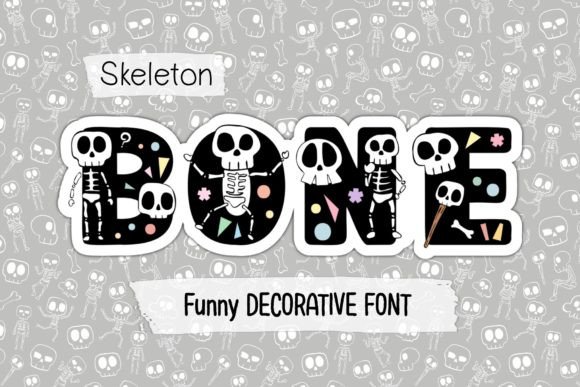
The inclusion of actual skulls and bones within the glyph structure transforms letters into illustrations. For instance, certain characters may incorporate eye sockets, teeth, or ribcage elements as part of their form. This dual nature—as both a functional lettering system and a decorative art piece—makes Blood on Skull particularly versatile for thematic projects where the message is as important as the mood.
Why Choose a PUA Encoded Font?
One of the most significant advantages of using Blood on Skull is its encoding method. It is PUA (Private Use Area) encoded. To understand why this matters, one must look at the challenges designers face when integrating complex decorative fonts into digital workflows.
Standard Unicode encoding has limited space for special glyphs. When a font includes hundreds of unique symbols, such as individual skulls, bones, and blood splatters, they often require custom mapping. PUA encoding assigns these unique glyphs to unused code points in the Unicode Private Use Area. This ensures that:
- Compatibility: The font works across different operating systems and software without requiring external plugins or scripts.
- Accessibility: Users can easily access all glyphs through their operating system’s character viewer or within design software’s glyph panel.
- Stability: Because the characters are mapped to specific, non-conflicting codes, the risk of text rendering errors or missing squares (tofu) is significantly reduced.
This technical detail is crucial for professionals who need reliable results. You do not have to worry about whether the client’s computer will display the font correctly; if they have Blood on Skull installed, the design will appear exactly as intended.
Practical Applications for Different Creators
The versatility of Blood on Skull allows it to be used across various mediums. Here is how different types of creators can leverage this font to meet their specific goals.
Event Promoters and Venue Owners
If you are organizing a Halloween party, a haunted attraction, or a horror movie screening, your promotional materials need to grab attention immediately. Posters, flyers, and digital ads benefit greatly from the immediate visual impact of Blood on Skull. By using this font for the event title, you set the tone before the audience even reads the details. Pairing large, bold headlines in Blood on Skull with cleaner, simpler body text ensures that essential information (time, location, ticket prices) remains readable while the headline does the heavy lifting of setting the mood.
Web Designers and UI Developers
Incorporating horror themes into web design requires a delicate balance. Overusing decorative fonts can make a site difficult to navigate and hurt accessibility scores. However, strategic use of Blood on Skull can create memorable user experiences. Consider using it for:
- Hero Section Headers: A full-width banner with a Halloween theme can feature the main headline in Blood on Skull to create an immersive entry point.
- Call-to-Action Buttons: While the button text itself should remain legible, the background or iconography around a "Buy Tickets" or "Enter the Haunt" button can be enhanced with skull motifs found in the font’s glyph set.
- Seasonal Landing Pages: For brands that want to participate in seasonal trends without altering their core identity, a temporary landing page styled with Blood on Skull offers a low-risk way to engage users during October.
Social Media Content Creators
On platforms like Instagram, TikTok, and Pinterest, visual hierarchy is key. Text overlays on images or videos need to stand out quickly. Blood on Skull provides high contrast and visual interest that cuts through the noise of a scrolling feed. Creators can use the font for quotes, captions, or punchlines in horror-themed memes or short stories. The dripping effect adds a dynamic quality that static images lack, encouraging viewers to pause and engage.
Best Practices for Implementation
While Blood on Skull is powerful, it demands respect in terms of usage. Misapplication can lead to designs that feel cluttered or unreadable. Here are some recommendations for getting the best outcomes.
Balance is Key
Because every character in Blood on Skull is highly detailed, using it for long paragraphs of text is rarely advisable. The intricate details of the skulls and bones can become muddy when scaled down, leading to poor legibility. Instead, reserve the font for headlines, titles, logos, and short phrases. Let the decorative font be the star, and support it with clean, minimalist typography for supporting text.
Color Psychology
The effectiveness of Blood on Skull is heavily dependent on color pairing. Black text on a white background is classic but can sometimes feel too stark. Consider using deep reds, dark purples, or sickly greens against black or dark grey backgrounds to enhance the horror aesthetic. Alternatively, placing white or off-white Blood on Skull text over a textured, dark background (like stone, wood, or fog) can create a haunting, three-dimensional effect.
Leveraging the Glyph Set
Don’t limit yourself to just the alphabet. Since Blood on Skull is PUA encoded, you have access to standalone glyphs like skulls, bones, and blood splatters. Use these as decorative dividers between sections, as bullet points in lists, or as accents around borders. This allows you to break up text and add visual interest without relying solely on typography.
Considerations for Technical Setup
To ensure smooth implementation, proper installation and file management are essential. When downloading Blood on Skull, verify that you have the correct file format for your needs (typically .ttf or .otf). Install the font on your primary design machine and any team members’ computers who will be working on the project. If you are using the font on a website, ensure you have the appropriate licensing for web embedding. Some fonts require a separate web license to convert the file into @font-face formats (WOFF/WOFF2).
Furthermore, always test your design across different devices. What looks imposing on a desktop monitor might appear distorted on a mobile screen due to the complex shapes of the glyphs. Adjust sizing and spacing (kerning and tracking) as needed to maintain clarity on smaller viewports.
Conclusion
Blood on Skull is more than just a novelty item; it is a specialized tool for creating impactful, atmospheric designs. Its unique combination of PUA encoding, intricate glyph design, and thematic consistency makes it an invaluable asset for anyone working in the horror, Halloween, or gothic genres. By understanding its strengths and limitations, and by applying it strategically alongside complementary design elements, you can create projects that resonate deeply with your audience. Whether you are designing a single flyer or a full-scale digital campaign, Blood on Skull provides the perfect blend of style and substance to bring your spooky visions to life.